What Is Noise-Induced Hearing Loss, and How Can You Avoid It?
Noise-induced hearing loss explained: how loud sound damages your inner ear, the warning signs to watch for, and simple ways to help protect your hearing.
Noise-induced hearing loss is hearing damage caused by sound that is too loud, too long, or both. It happens when loud sound wears out the tiny sensory hair cells deep in your inner ear, and in people those cells don’t grow back. The good news is that you can help protect your hearing with a few simple habits and hearing protection that fits.
Quick answer
- What it is: hearing loss caused by loud sound damaging hair cells in the inner ear.
- Where risk starts: the NIDCD says long or repeated exposure at or above 85 dBA can cause hearing loss.
- Warning signs: muffled sound, trouble following speech in noise, ringing ears.
- How to help prevent it: turn it down, step away, take breaks, and wear earplugs or earmuffs when it’s loud.
- If something changes: see a doctor or audiologist and get your hearing tested.
What is noise-induced hearing loss?
Here’s how hearing works, in short. Sound travels through your outer and middle ear to the cochlea, a fluid-filled part of the inner ear. There, the moving fluid bends tiny hair-like structures called stereocilia on top of sensory hair cells, and those cells turn the motion into electrical signals that travel up the auditory nerve to your brain.
According to the NIDCD, most noise-induced hearing loss comes from damage to, and eventually the death of, these hair cells. Unlike the hair cells of birds and amphibians, human hair cells don’t grow back, which is why the damage is permanent.
It can happen after a single very loud sound, like firecrackers going off close to your ear, as the CDC notes. More often it builds slowly, from loud sound heard over and over through the years.
How loud does noise have to be to damage hearing?
The NIDCD gives two helpful markers. Sounds at or below 70 dBA are unlikely to cause hearing loss, even after long exposure. Long or repeated exposure at or above 85 dBA can cause hearing loss, and the louder the sound, the less time it takes.
Time matters as much as loudness. NIOSH sets its recommended workplace limit at 85 dBA averaged over an eight-hour day, and for every 3 dBA increase it recommends cutting the time in half (NIOSH, Noise-Induced Hearing Loss). So 88 dBA works out to about four hours, and 91 dBA to about two.
Here are some average levels the NIDCD lists:
| Sound | Average level (dBA) | What it means for your ears |
|---|---|---|
| Normal conversation | 60–70 | Unlikely to cause hearing loss |
| Movie theater | 74–104 | Loud scenes can pass 85 dBA |
| Motorcycles and dirt bikes | 80–110 | Long rides add up; protection helps |
| Headphones at max volume, sporting events, concerts | 94–110 | Time adds up quickly at these levels |
| Sirens | 110–129 | Step away and protect your ears |
| Fireworks show | 140–160 | Wear protection, and keep your distance |
No sound meter handy? NIOSH offers a simple check: if you have to raise your voice to be heard by someone about 3 feet away, the noise is around 85 dBA. If you have to shout, it’s closer to 95 dBA. Our friendly guide to decibels has more on reading those numbers.
How common is noise-induced hearing loss?
More common than most people expect. The NIDCD reports that, based on a 2011–2012 CDC study, at least 10 million adults in the U.S. under age 70, and possibly as many as 40 million, have hearing test features that suggest hearing loss in one or both ears from noise. Earlier data suggest up to 17% of teens aged 12 to 19 show the same features.
Worldwide, the World Health Organization estimates that over 1 billion young adults are at risk of permanent, avoidable hearing loss from unsafe listening.
Where does everyday noise come from?
It isn’t only factories and shooting ranges. The CDC points to summer fireworks, mowing the lawn, power tools, cheering at sports games and concerts. The CDC also lists other things that can affect hearing, including family history, some chronic conditions, ear injuries, certain chemicals like toluene and certain medicines.
That’s why a little awareness goes a long way. A Saturday with a leaf blower, a ball game and a concert can add up.
What are the signs of noise-induced hearing loss?
The NIDCD lists these signs:
- Sounds seem distorted or muffled.
- It’s hard to understand people on the phone or in a noisy room.
- You find yourself turning up the TV.
- Ringing, buzzing or roaring in the ears or head, called tinnitus.
After a loud event you may notice dull hearing for a while. The NIDCD says this kind of temporary loss usually fades within 16 to 48 hours, though recent research suggests there may still be lasting damage even when hearing seems to bounce back.
If you notice any of these signs, or have ringing that is new or getting worse, ear pain, or a sudden change in your hearing, please see a doctor or audiologist and get your hearing tested. The CDC notes there is no medical or surgical treatment for noise-induced hearing loss, which makes protecting the hearing you have the smart move.
How can you help prevent noise-induced hearing loss?
Between them, the CDC and NIDCD offer a short, practical list:
- Turn it down. Lower the volume on headphones, speakers and the car stereo.
- Step away. Distance from a speaker stack or a mower makes a real difference.
- Take breaks. Give your ears quiet time during long, loud days.
- Wear hearing protection. Earplugs, earmuffs or custom-fitted protectors when loud sound can’t be avoided.
- Look out for others. Protect children’s ears and let friends know when it’s loud.
Fit makes the protection work. As NIOSH puts it, “Comfort is the key to consistent use of hearing protection.” NIOSH also notes that custom-molded earplugs, made from an impression of your ear, cost more at the start but are more durable than many other kinds.
How does Big Ear help protect your hearing?
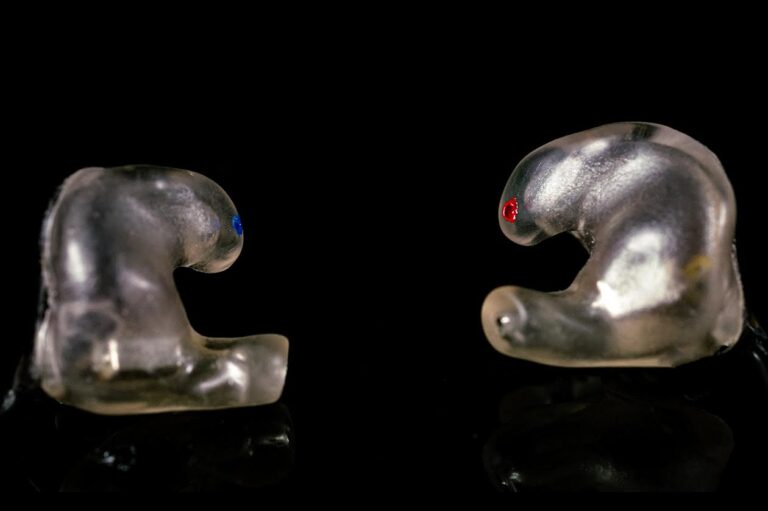
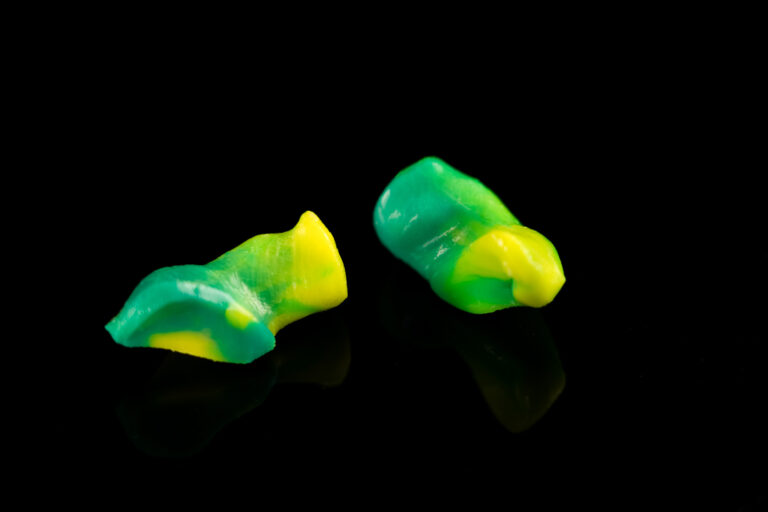
We hand-build custom hearing protection in the USA from impressions of your own ears. The right pair depends on what you do.
| Your noise | Our pick | Why |
|---|---|---|
| Firearms, motorcycles, marching band, around aircraft | The One with a 25 or 30 dB filter | Filtered, so you can still hear what’s around you; NRR 25 dB with one filter installed |
| Quieter settings like restaurants or offices | The One with a 9, 15 or 20 dB filter | Light reduction keeps conversation easy |
| Yard work, power tools, sleep | Full Stop Super-Soft | Solid, NRR 32 dB, soft Shore A 25 platinum-cure silicone, $168.95 |
| Very loud, high-impact work | Guardian Vanquisher | NRR 37 dB, semi-soft Shore A 45, $179.95 |
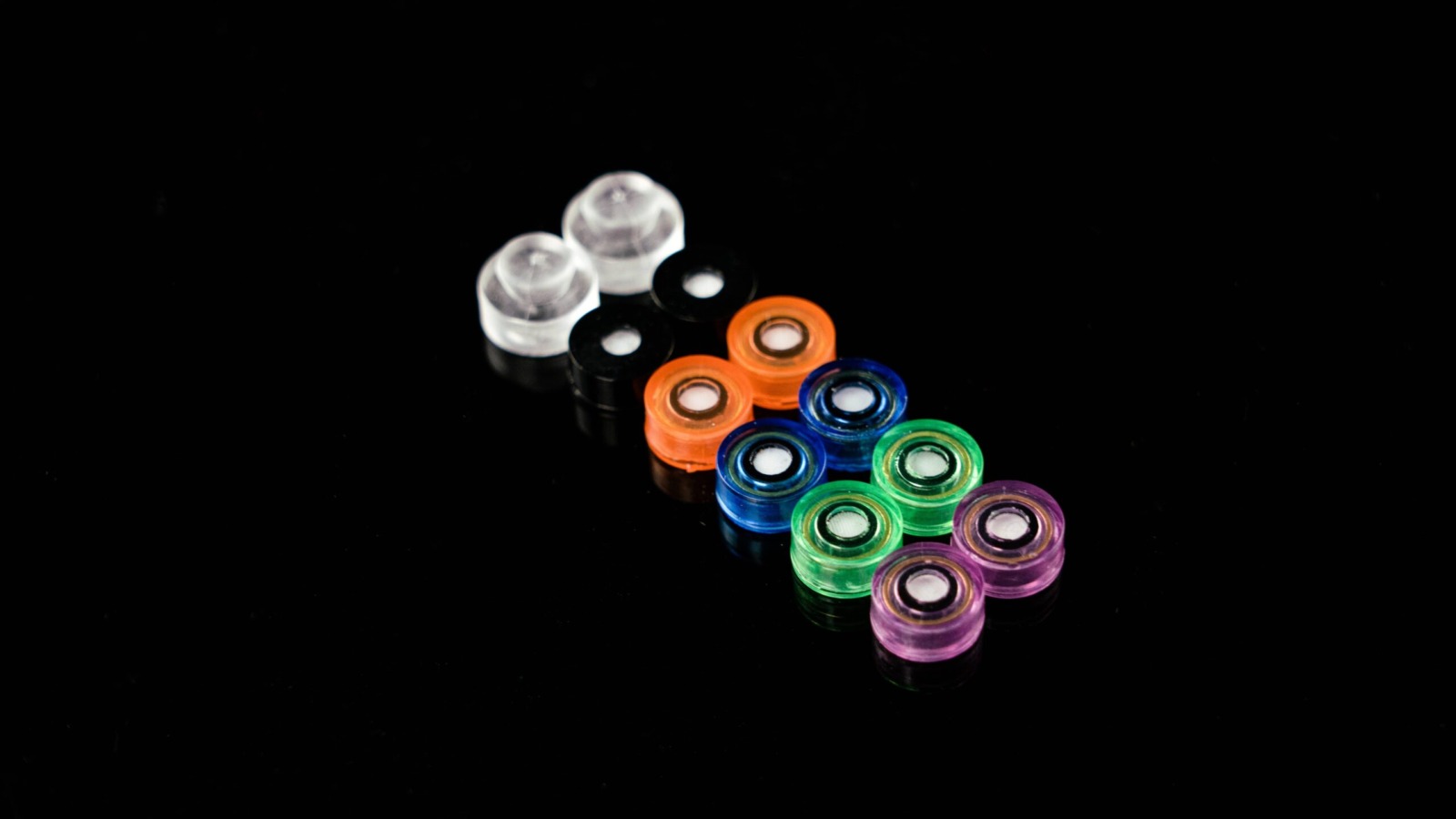
The One uses a two-part, analog, non-electronic filter system: a non-linear canal filter in every pair, plus interchangeable flat filters of 9, 15, 20, 25 or 30 dB that swap in seconds. Kits are Standard $224.95 (one filter set), Select $299.95 (two) and Premium $574.95 (all five, plus the hole plug, solid plugs, tactical piece and a case).
More protection isn’t always better. NIOSH notes that too much sound reduction can leave you less aware of your surroundings, so we help you match the plug to the noise. Our post on why comfort decides whether protection works goes deeper on that.
Getting started is easy. Every order includes a free Home Impression Kit that ships in 2–3 business days, takes about 10–15 minutes with a helper and a guided video, and comes with paid return postage. If an impression can’t be used, we send a second kit free. We build your pair within 40 business days of your impressions reaching our lab, order shipping is $10, and you’re covered by our 30-Day Fit Warranty and a 12-month warranty against manufacturing defects (loss isn’t covered). Custom products can’t be returned.
Frequently asked questions
Can noise-induced hearing loss be reversed?
Hair cells in the human inner ear don’t grow back, according to the NIDCD, and the CDC says there is no medical or surgical treatment for this type of hearing loss. That’s why protecting your hearing now matters so much. A doctor or audiologist can test your hearing and talk through options.
Is ringing after a concert a bad sign?
It’s a sign the sound was loud enough to affect your ears. Ringing may fade, but the NIDCD notes tinnitus can also last. If it doesn’t go away, or keeps coming back, see a doctor or audiologist, and wear earplugs at your next show.
Do I need hearing protection for everyday life?
Not for normal conversation or quiet rooms. It helps for things that reach into the 85 dBA range and above, like mowing, power tools, concerts, games and long motorcycle rides.
Are earplugs or earmuffs better?
Both can work well. NIOSH notes earplugs are lightweight and easy to store, while earmuffs are often easier to fit properly. The best choice is the one that fits you and that you’ll wear every time.
Ready to protect the hearing you have?
Not sure where to start? Try Find my pair for a quick recommendation, or order and we’ll send your free Home Impression Kit. You can also call us at (719) 271-4528. We’d be happy to help you find a pair you’ll love wearing.
Sources
- National Institute on Deafness and Other Communication Disorders (NIDCD). Noise-Induced Hearing Loss.
- NIOSH, Centers for Disease Control and Prevention. Noise-Induced Hearing Loss.
- NIOSH, Centers for Disease Control and Prevention. Provide Hearing Protection.
- Centers for Disease Control and Prevention. What Causes Noise-Induced Hearing Loss.
- Centers for Disease Control and Prevention. Preventing Noise-Induced Hearing Loss.
- World Health Organization. Deafness and hearing loss (fact sheet, 3 March 2026).
Made for this
Custom protection for what you just read about
 The One, PremiumEvery filter we make, plus solid plugs and the tactical piece, in one kit.$574.95 Home impression kit includedSee this pair
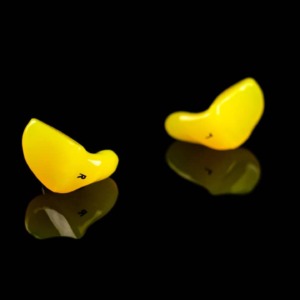 Motorcycle Ear PlugsCuts the wind roar at speed so you ride longer without the fatigue and ringing.$168.95 Home impression kit includedSee this pair
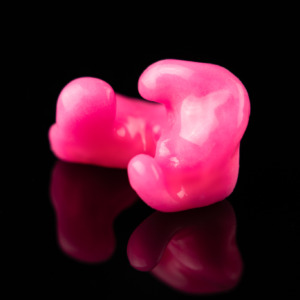 Full Stop Super-SoftOur softest solid earplug, for sleep and the loudest places.$168.95 Home impression kit includedSee this pair